The unavoidable
The bell tower of Ars en Ré
Recognizable by its pointed bell tower and black spire, the Ars-en-Ré bell tower is an iconic monument on Île de Ré. In the heart of Ars village, you’ll find this charming little Romanesque church that you can visit. Cyclists lost in the salt marshes can easily orient themselves thanks to the bell tower, which is visible from afar.
Built in the early 19th century, the Ars-en-Ré bell tower is painted black and white to serve as a landmark and navigation point for sailors navigating the Pertuis strait. To visit this bell tower and enjoy the superb view of Île de Ré, go at sunset.

Fortifications of St Martin de Ré
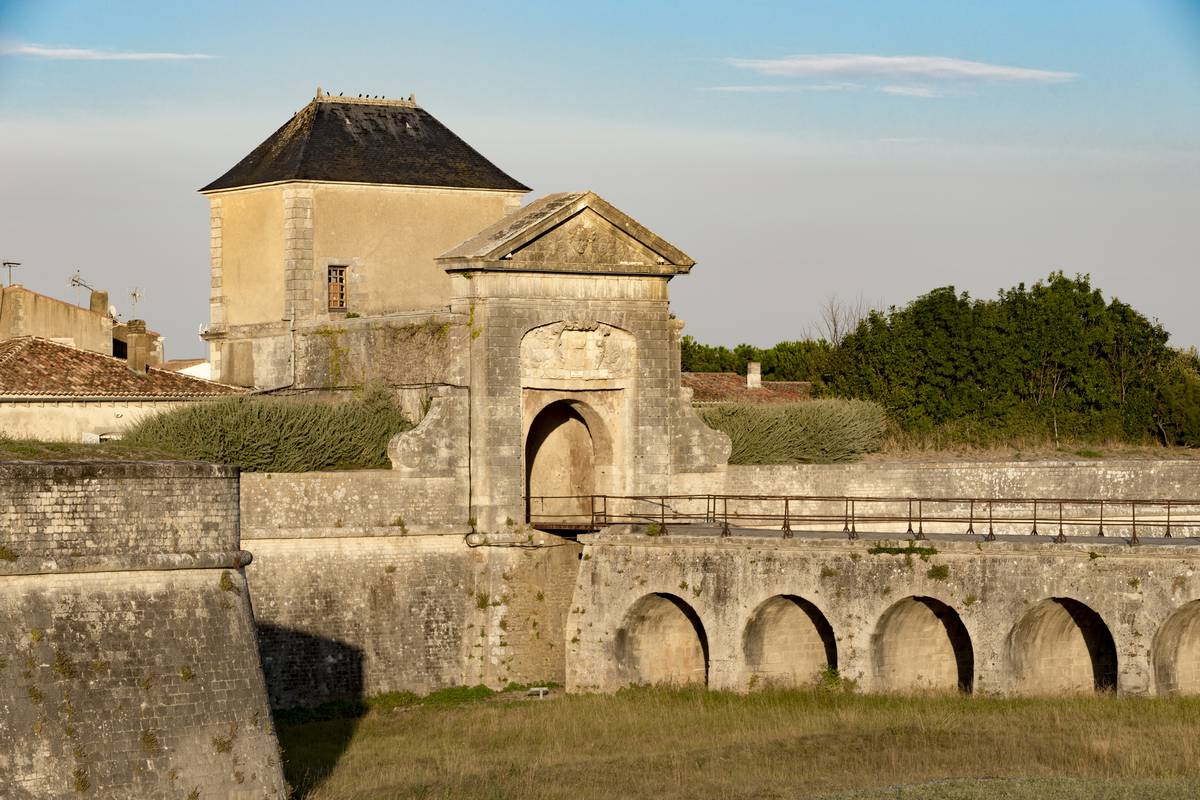
Unique and classified as a UNESCO World Heritage site, the fortifications of Saint-Martin-de-Ré are part of the network of major Vauban sites. Built during the reign of Louis XIV by the engineer Vauban, they served as a shelter for the island’s population in case of enemy landing.
These 14 km of ramparts, forming a semicircle with a 1.5 km radius, can be visited freely with family throughout the year. Guided tours are also organized to turn this visit into a fun and enjoyable experience for both children and adults.
Bell tower and observatory of St Martin en Ré
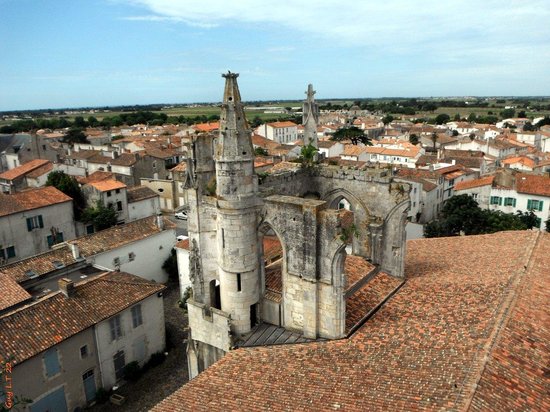
On the heights of Saint-Martin-de-Ré, discover the bell tower and observatory for a unique panorama of the town. This 14th-century church was destroyed and rebuilt several times. Today, few original elements remain, but you can still climb its 117 steps to enjoy the unique view of the entire fortified town of Saint-Martin-en-Ré.
If you also wish to see a superb viewpoint, you can visit the church at night. The lights make the whole scene magical and sublime to behold.
The Abbey of Châteliers - La Flotte
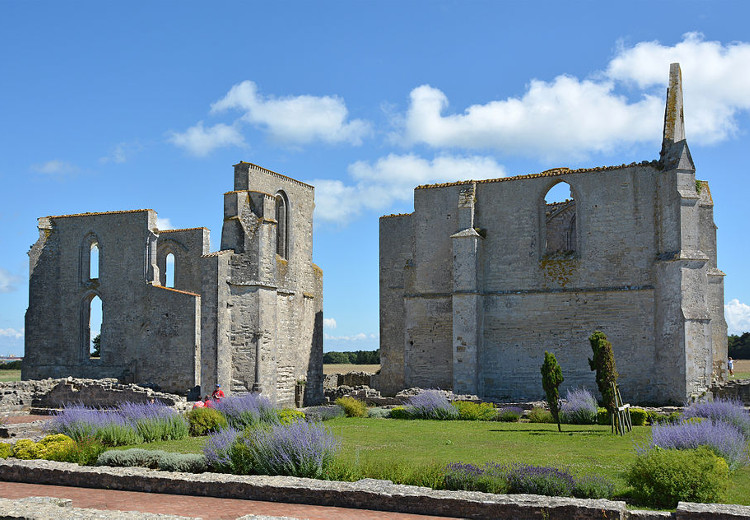
Classified as a historical monument, the Abbaye des Châteliers is one of the largest abbeys in west-central France. Even though only vestiges of this abbey remain, due to English assaults and religious wars, it is still impressive and offers enough to immerse yourself in culture, especially for lovers of historical monuments.
You can visit it for free and also opt for a guided tour, which will tell you the entire history of the place and its past. Open all year round and every day, the Abbaye des Châteliers awaits you during your holidays on Île de Ré.
Fort la Prée - La Flotte
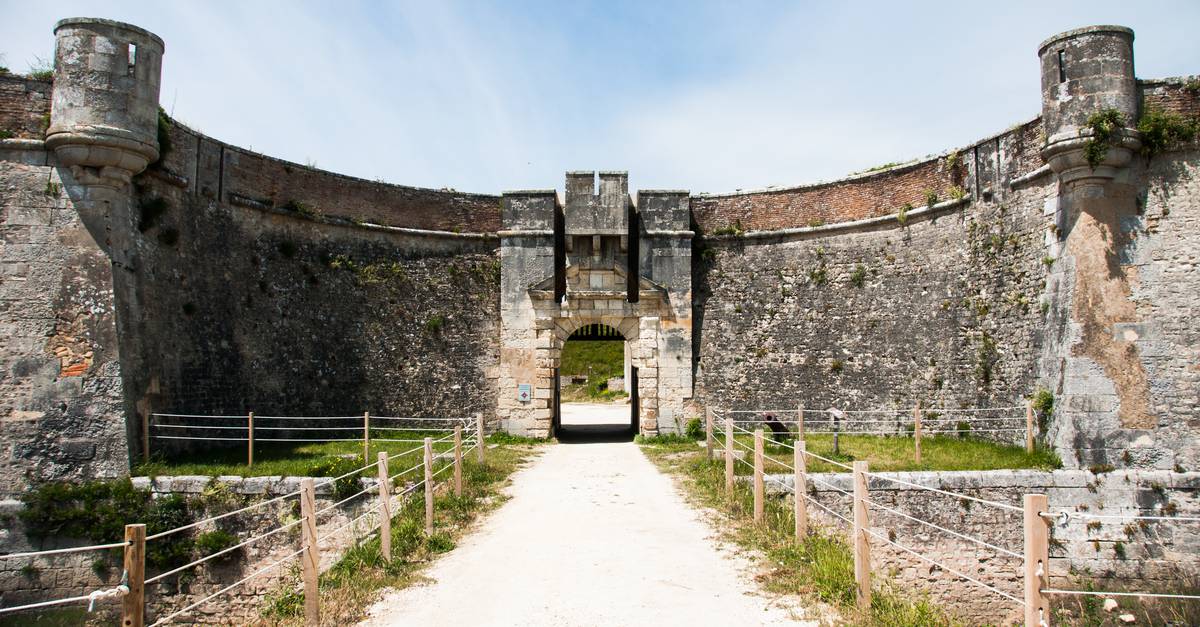
Fort la Prée is a true gem of military heritage, the oldest of Île de Ré’s fortifications. Built in 1625, Fort la Prée is a true testament to the Great Century, which you can easily visit from April to September, or during the All Saints’ Day holidays. On a self-guided or guided tour, show your children the wonders of this unique historical monument. Many activities are also organized each year to help you discover the place in a fun and entertaining way for both children and adults.
Nature reserve of Lilleau des Niges - Les Portes-En-Ré
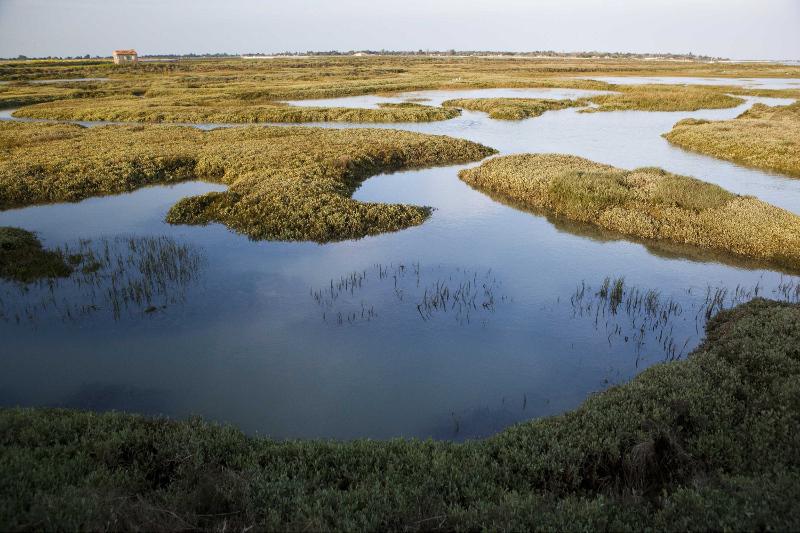
A true natural paradise, the Lilleau des Niges nature reserve is located in the heart of the salt marshes. Here, discover the rich flora and fauna amidst dunes, salt marshes, forests, villages… For a nature outing with family or friends, the LPO organizes birdwatching from the reserve. Indeed, the Lilleau des Niges nature reserve is a welcoming land for many migratory birds.
Accessible gratuitement grâce à des sentiers pédestres, la réserve est à ne pas manquer lors de votre séjour sur l’île de Ré.
Whale lighthouse and its museum - Saint-Clément des Baleines
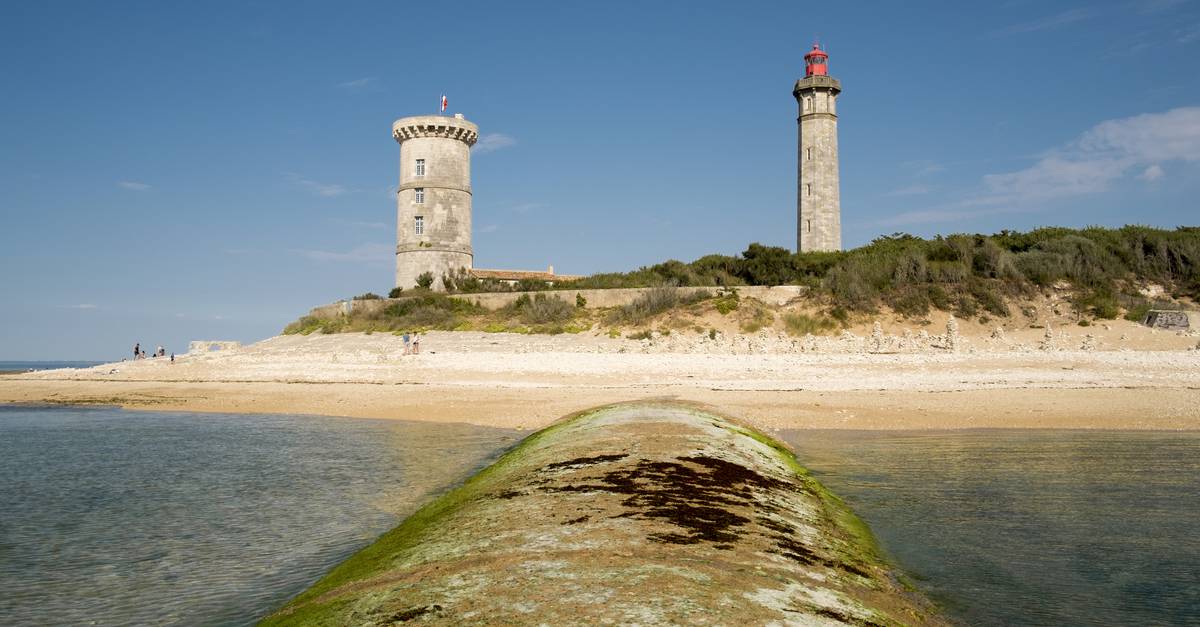
A fun activity for the whole family, the Phare des Baleines (Lighthouse of Whales) welcomes you every day without interruption. Inaugurated in 1854, the Great Lighthouse was built in 1849 and is one of the tallest in France, with 257 steps to climb. At the very top, you’ll enjoy an exceptional view of the island and the ocean. It is one of the most powerful lighthouses on the Atlantic coast.
The museum allows you to learn more about the Lighthouse and the Plage des Baleines (Whale Beach). You’ll discover, among other things, where the whales of the Atlantic coast have gone and how the lighthouse was built and maintained over the years.
The salt marshes
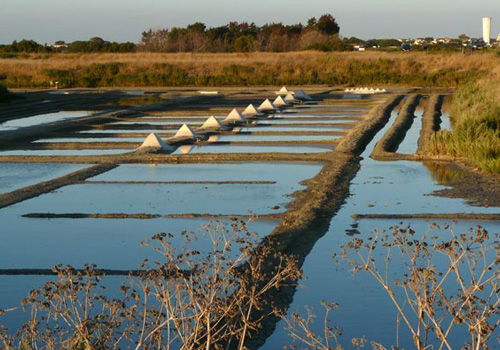
The salt marsh of Île de Ré is composed of three large sets of basins: the ‘vasais,’ the ‘métières,’ and the ‘champ des marais.’ With family or friends, come and discover the formation of salt and the history of salt production. Together, discover the production technique of the Ré island salt marsh, and enjoy a guided tour of the active marsh. Its operation, the journey of seawater to crystallization, as well as the techniques and methods of the centuries-old salt worker’s trade will be presented to you, so you can learn more about salt cultivation.